RYAN ZERNACH

Full-Stack AI Systems Engineer

Ryan_Zernach_2025_Senior_AI_Systems_Engineer_Remote_United_States

Finequities 📲 Social Investing FinTech AI Startup

I joined Finequities as a full-stack mobile app engineer to build an investing platform where retail trading, social-network mechanics, and AI-driven portfolio guidance met in one place. The goal was simple but ambitious: make investing more collaborative and data-informed, so users could trade, follow investors, compare performance, and act on recommendations without leaving the app.

Primary Sources
iOS App
Android App
Finequities 📲 Social Investing FinTech AI Startup
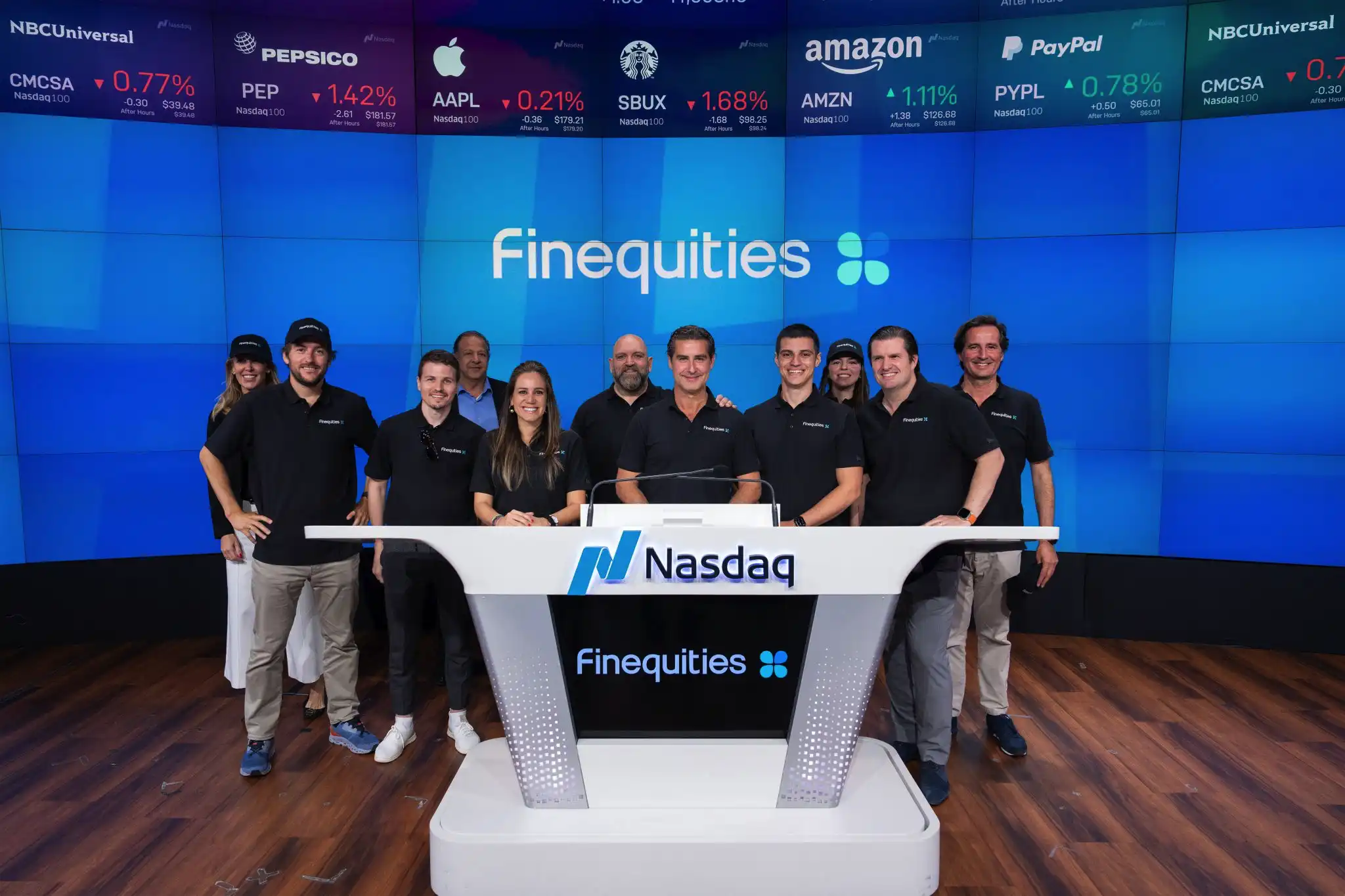
Finequities NASDAQ launch moment on June 9, 2023.

SOC 2 Compliance Work (Detailed)

At Finequities, SOC 2 readiness was product engineering, not audit theater. In a social investing app, account integrity, transaction trust, disciplined production access, and incident response all shape user risk and platform credibility. I translated control requirements into software behavior and operational guardrails across mobile, backend, and release workflows. The work reduced ambiguity in high-change areas, made production actions attributable, and tightened system boundaries so control owners could prove what was happening in the environment.

  • Access control and least privilege: tightened environment access boundaries, removed broad permissions, and aligned privileged actions to explicit ownership.
  • Change management and release evidence: strengthened release workflow consistency so production changes had traceable paths, clearer reviewers, and repeatable rollback logic.
  • Auditability and observability: improved event visibility across app behaviors and operational paths so investigation and control verification did not depend on guesswork.
  • Secure development baseline: drove TypeScript migration and architecture cleanup that reduced hidden runtime risk and made compliance-sensitive logic easier to reason about.
  • Incident readiness: supported clearer production debugging and escalation pathways so operational incidents could be contained and analyzed with better speed.
  • Data-handling rigor: treated sensitive account and portfolio surfaces with stricter boundary discipline across feature work, integrations, and internal tooling.
  • Third-party integration scrutiny: evaluated external partner touchpoints (brokerage, onboarding, and financial connectors) with trust boundaries and failure isolation in mind.
  • Operational continuity: improved engineering velocity without bypassing control expectations, so the team could ship quickly while preserving compliance posture.

How This Mapped to SOC 2 Criteria

I mapped day-to-day engineering decisions to SOC 2 trust-service expectations in product terms, not compliance shorthand. Each control had a home in the delivery lifecycle: design decisions, code paths, deployment controls, runtime monitoring, or incident response. The model stayed consistent. Security came from access hardening, role boundaries, and tighter privileged workflows. Availability depended on release discipline, rollback readiness, and clearer response loops. Confidentiality required stricter data handling across features and integrations. Processing integrity improved when critical behavior became easier to verify under change. Evidence quality was part of the work, too. A control only matters when a team can show it operated as intended, so I emphasized traceability in both implementation and process.

  • Security: least-privilege enforcement, production access ownership, and stronger permission boundaries.
  • Availability: change controls, rollback expectations, and better incident containment workflows.
  • Confidentiality: tighter sensitive-data scope management and reduced unnecessary data exposure paths.
  • Processing Integrity: consistent execution behavior, clearer validation surfaces, and stronger audit traceability.

Finequities product demo

Finequities product demo from February 2022. The video starts muted to allow browser autoplay.

What the Product Actually Did

Finequities was not a single-feature trading app. It put execution, social proof, and personalization in one flow, so discovery and allocation could happen in the same interface.

  • Commission-free stock and ETF trading, with public materials also referencing select cryptocurrency access.
  • Social graph mechanics: investor profiles, following, discussion, and sentiment-oriented community signals.
  • Public portfolio leaderboards ranked by return percentages rather than visible dollar balances.
  • Copy-portfolio workflows designed to let users allocate proportionally to another investor strategy.
  • AI recommendations positioned around risk profile, goals, and portfolio context rather than static watchlists.

My Technical Scope

My work spanned the product surface and the platform plumbing. The clearest view is by ownership zone:

  • Portfolio replication logic: copy-portfolio execution paths and proportional allocation behavior.
  • Discover and ranking surfaces: trending investors, trending assets, and curated stock-group experiences.
  • Social subsystem rebuild: profiles, posts, comments, likes, and followers/following graph behavior.
  • Growth mechanics: referral flow with deep-link routing to major messaging channels.
  • Developer operations and velocity: TypeScript migration from legacy JavaScript, screen-level architecture cleanup, and release workflow improvements (including OTA update practices).

Team and Delivery Context

The core team was small: two full-time developers, one project manager, and one UI/UX designer. With broad scope and little slack, speed came from clear separation of concerns, quick design-to-engineering handoffs, and ruthless prioritization around user behavior.

Architecture Signals from Public Evidence

Public artifacts point to a React Native mobile architecture, with brokerage, AI, and onboarding partners layered into the stack:

  • Mobile frontend: React Native for iOS and Android.
  • Trading backbone: ViewTrade announced as brokerage/technology partner (July 6, 2023).
  • Conversational onboarding: Bitext Copilot case study references GPT-backed onboarding flows (February 22, 2024).
  • Finance integrations: bank-account linking plus multi-asset portfolio surfaces in production releases.
  • Admin visibility: internal web dashboard work to track function performance and operational health.
Architecture Evidence
ViewTrade Announcement
Bitext Case Study

Maturity and Market Signals

Timeline Compression (2018 to 2026)

Distribution and Monetization Signals

Regulatory Caveat (Material)

As of April 17, 2026, regulatory status is the material diligence item. A Federal Register notice states the SEC intends to cancel registrations of certain advisers, including Finequities LLC; the listed hearing-request deadline was May 11, 2026. This is a notice of intent, not a final fraud finding, but it is significant. Check current IAPD/SEC records before relying on older marketing claims about active registration.

Regulatory Source
Federal Register Notice

Bottom Line

Finequities was a full-stack fintech build with real product depth: multi-asset trading flows, social investing mechanics, recommendation systems, and partner-backed brokerage infrastructure. Its strongest visible execution window appears to be 2021 through 2024, with iOS continuity into 2025. For any present-tense operating claim, the open 2026 regulatory question is the gate.