
RYAN ZERNACH

Full-Stack AI Systems Engineer

Ryan_Zernach_2025_Senior_AI_Systems_Engineer_Remote_United_States

🌱 React Web Developer (Full-Stack) @ Georgia Hybrid Landscaping

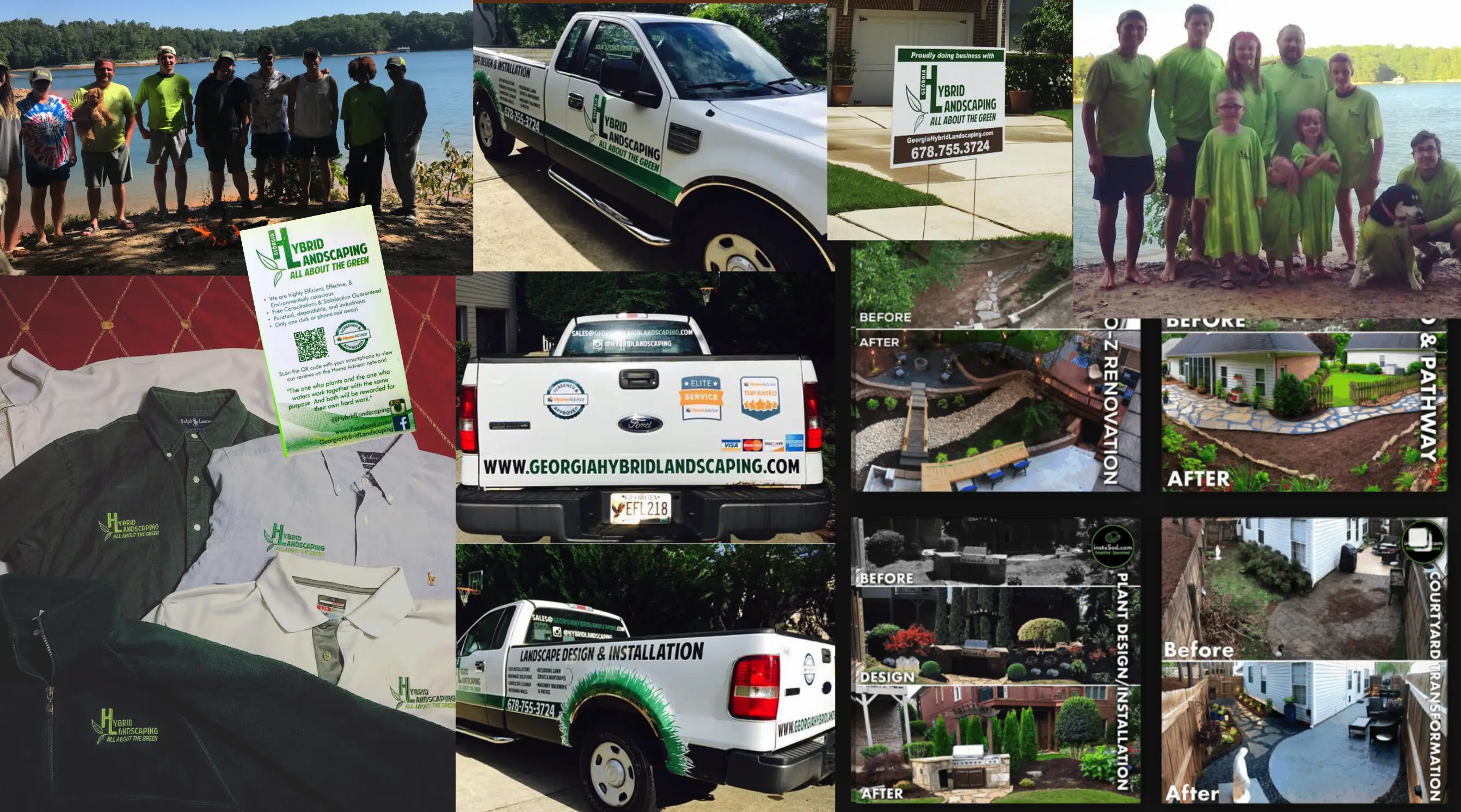
From October 2015 through January 2019, I served as the full-stack React web developer for Georgia Hybrid Landscaping. I built the customer-facing and internal web systems: migrated legacy PHP websites to React, turned sales questions into structured intake flows, handled image and video uploads, generated pricing proposals, wired payment workflows, automated email operations, and instrumented the path from ad click to closed job. As the business processed $500,000+ in gross sales within three years, software made a field-service company more measurable, repeatable, and remotely operable.
Related Links
🌱 Landscape Supply App
🎄 Customized Christmas Lights
🌱 React Web Developer (Full-Stack) @ Georgia Hybrid Landscaping

Summary

I worked at Georgia Hybrid Landscaping in Alpharetta, Georgia, from February 2013 through January 2019. I began as a Landscape Designer + Architect, then moved into the React Web Developer (Full-Stack) role from October 2015 through January 2019. This was not brochure-site work. I rebuilt legacy PHP surfaces in React and made the website part of the operating system: customer intake, media uploads, service questionnaires, proposal generation, payment collection, analytics, outbound email automation, and admin visibility. The business processed more than $500,000 in gross sales within three years, supported in meaningful part by a software stack designed for the messy reality of field service.

Tech Stack, Team, and Timeline

Engineering Challenges and Solutions

Website & Instagram Links

React Was Part of the Business

React was not portfolio decoration. The migration replaced static brochure pages with a working system for structured lead capture, quote inputs, proposal delivery, payment collection, campaign execution, and operational visibility.

Key Details

Before shifting fully into product engineering and AI, I used a local service business as a real production environment. Georgia Hybrid Landscaping demanded the same work good software teams do: modernize legacy surfaces, model messy inputs, reduce operational handoffs, instrument the funnel, and keep systems reliable while revenue flows. I ran the company and owned the software layer sales, marketing, and admin operations depended on.

Engineering Constraints Of A Field-Service Business

Core Systems I Built

What The Company Did

Team Definition of "HYBRID"

What Running It Taught Me

Georgia Hybrid Landscaping was my first real production environment: customers, revenue pressure, and operational ambiguity. Building it from age 21 taught me to translate messy workflows into software: define the right inputs, reduce manual handoffs, keep revenue paths observable, and ship improvements without breaking lead flow. A business that crossed $500,000 in gross sales over three years made every frontend and automation decision consequential. That experience is why I still approach software like an operator. The React migration, intake architecture, payment workflows, campaign tooling, and observability loops were not toy projects; they were systems attached to cash flow and customer trust. It was an early, clear example of being the engineer inside the business, not just its owner.